What Is Dancing Lion Weak To?
If you’ve ever watched a lion dance performance, you might wonder:
what is dancing lion weak to?
The short answer is—nothing in the physical sense.
But in traditional Chinese culture, the lion is believed to have symbolic “weaknesses”, not real ones. These ideas come from folklore, ritual beliefs, and performance traditions rather than combat or competition.
To understand this question properly, we need to look at lion dance through a cultural lens, not a literal one.
The Lion Is Not Weak—It Is Symbolic
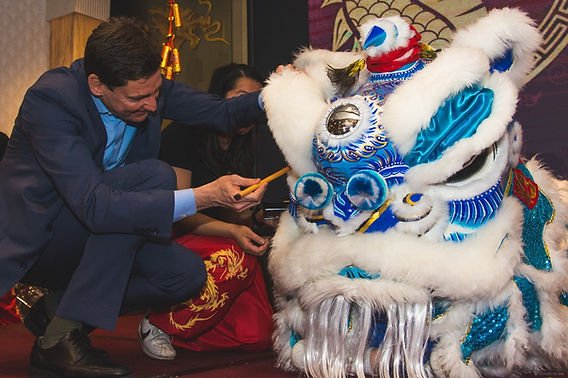
In Chinese tradition, the dancing lion represents:
- Protection
- Courage
- Good fortune
So asking what the dancing lion is “weak to” is similar to asking what a guardian spirit is weak to. The answer lies in beliefs and symbolism, not strength.
Traditional Belief: Lions Fear Evil, Not Humans
According to folklore, the lion is believed to be sensitive to negative energy.
This means the lion is symbolically “weak” to:
- Disharmony
- Bad intentions
- Disrespect toward tradition
That’s why lion dance performances follow specific rituals—drumming patterns, movements, and opening ceremonies—to keep the performance “pure” and respectful.
Why Loud Drums and Firecrackers Matter
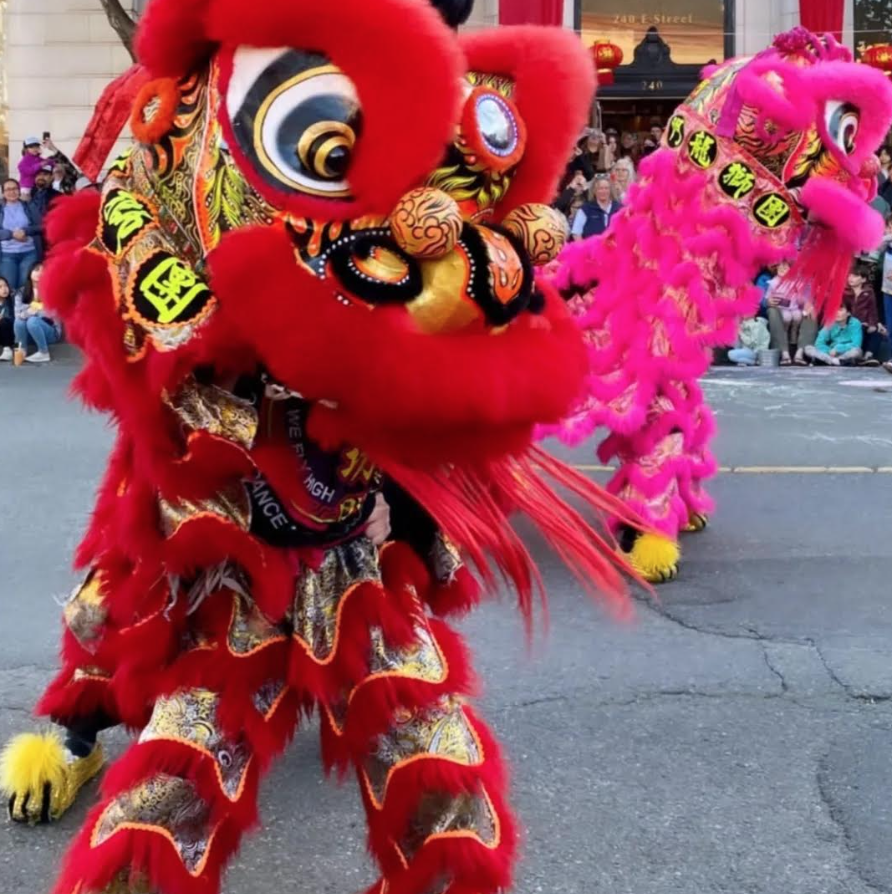
One interesting cultural belief is that the lion is alert to sound.
The loud drums, cymbals, and gongs are not meant to scare the lion—they are meant to guide and energize it. In traditional thinking, silence or lack of rhythm weakens the spirit of the lion.
So in a symbolic way, the dancing lion is “weak” without:
- Rhythm
- Coordination
- Collective energy
Without these, the performance loses its meaning.

Weakness to Improper Performance
In lion dance communities, one commonly accepted idea is that the lion becomes “weak” when the performance lacks:
- Proper training
- Respect for tradition
- Team coordination
A poorly performed lion dance is believed to bring less blessing or even bad luck—not because the lion failed, but because the performers did.
This belief reinforces discipline and respect within lion dance teams.
Is the Dancing Lion Afraid of Anything?
In stories and performances, lions may act playful, cautious, or curious—but rarely afraid.
When fear is shown, it is usually toward:
- “Evil spirits” represented symbolically
- Obstacles meant to test courage
These moments are theatrical, not literal, designed to tell a story and engage the audience.
Modern Interpretation of “Weakness”
Today, many people interpret this question differently.
In modern lion dance culture, the dancing lion is “weak” to:
- Lack of cultural understanding
- Treating the dance as decoration rather than tradition
Without context, the performance becomes empty. With understanding, it becomes powerful.
Why People Ask This Question
People usually ask what is dancing lion weak to because they are:
- Curious about Chinese culture
- Watching lion dance for the first time
- Looking for deeper meaning beyond visuals
And that curiosity is exactly how traditions stay alive.
Final Thoughts
So, what is dancing lion weak to?
Not weapons.
Not people.
Not opponents.
The dancing lion is only “weak” to disrespect, disorder, and loss of meaning.
When tradition, rhythm, and intention come together, the lion remains strong—just as it has for generations.