Lion dance is a traditional Chinese performance that symbolizes good luck, protection, courage, prosperity, and the driving away of negative energy. It is often performed during Lunar New Year, business openings, weddings, festivals, school events, and community celebrations.
The lion’s movements, drumbeats, colors, and symbolic actions all carry meaning. A lion dance may welcome guests, bless a new business, celebrate a wedding, mark the new year, or express a wish for safety and success.
For people who love Chinese culture, the meaning of lion dance can also be brought into a home, office, restaurant, shop, or gift display through meaningful Chinese lion dance decor and symbolic lion dance display pieces.
Quick Answer: What Does Lion Dance Mean?
Lion dance represents blessing, protection, celebration, courage, and good fortune. In Chinese tradition, the lion is believed to bring positive energy and drive away harmful forces. This is why lion dance is often used for Lunar New Year, business openings, weddings, and important community celebrations.
What Is Lion Dance?
Lion dance is a traditional performance in which dancers move inside a lion costume to imitate the spirit, strength, and personality of a lion. A common lion dance costume is performed by two people: one controls the head and front body, while the other controls the back body and tail.
The performance is usually accompanied by drums, cymbals, and gongs. The music is not only background sound. It guides the lion’s movement, builds energy, and creates the festive atmosphere that people associate with Chinese celebrations.
A lion dance can be playful, powerful, ceremonial, acrobatic, or dramatic depending on the style and occasion. In many performances, the lion bows, blinks, jumps, searches, eats symbolic greens, or interacts with the audience.
What Does Lion Dance Symbolize?
The meaning of lion dance is built around good fortune and protection. The lion is seen as a powerful creature that can guard a space, welcome blessings, and scare away negative energy. This makes the performance especially meaningful at the start of a new year, a new marriage, or a new business.
| Symbol | Meaning | Where You See It |
|---|---|---|
| Lion | Power, courage, protection, blessing | Costume, lion head, lion dance decor |
| Drum | Energy, rhythm, celebration, awakening | Performance music |
| Red color | Joy, luck, celebration, protection | Costume, banners, New Year decor |
| Gold color | Wealth, prosperity, success | Lion costume, display pieces, festive accents |
| Lettuce or greens | Prosperity and money luck | Cai Qing ceremony |
| Firecrackers or loud sound | Driving away negative energy | Festivals and opening celebrations |
Why Is Lion Dance Performed?
Lion dance is performed during important moments because it turns blessing into a visible celebration. The sound, movement, costume, and symbolism all work together to create excitement and a sense of good beginning.
- Lunar New Year: to welcome good fortune and drive away bad luck for the new year.
- Business openings: to bless a new shop, office, restaurant, or company.
- Weddings: to celebrate joy, unity, and good wishes for the couple.
- Community festivals: to bring people together around Chinese cultural tradition.
- School and cultural events: to teach and share heritage through performance.
- Temple and association events: to mark important ceremonial occasions.
History and Origin of Lion Dance
The exact origin of lion dance is complex, and different regions tell different stories. In general, lion dance developed through Chinese festival traditions, martial arts practice, folk belief, and community celebration.
One well-known cultural theme connects lion dance with the idea of frightening away harmful forces through loud sound, bright color, and powerful movement. This is why drums, cymbals, gongs, red decorations, and energetic gestures are all so important in the performance.
Over time, lion dance became more than a ritual. It also became a performing art. Different regions developed different styles, costumes, movements, and training methods. Some forms emphasize playful character, while others emphasize strength, martial skill, or acrobatic difficulty.
Northern Lion Dance vs Southern Lion Dance
The two most commonly discussed styles are northern lion dance and southern lion dance. Both carry festive meaning, but they look and feel different.
| Style | Typical Look | Performance Feeling |
|---|---|---|
| Northern lion dance | Often more animal-like, furry, and playful | Acrobatic, lively, theatrical, sometimes performed in pairs |
| Southern lion dance | Large expressive head, bold colors, strong features | Martial, symbolic, dramatic, often used for blessings and openings |
If you want a deeper comparison, read our guide to Northern vs Southern Lion Dance.
What Do Lion Dance Colors Mean?
Lion dance colors can vary by region, troupe, costume design, and tradition. Still, many people associate certain colors with common symbolic meanings.
| Color | Common Meaning | Best Use in Decor |
|---|---|---|
| Red | Luck, happiness, celebration | Lunar New Year, business opening, festive display |
| Gold | Prosperity, wealth, success | Office, shop, reception desk, gift display |
| Black | Strength, seriousness, authority | Bold cultural display, martial arts-inspired decor |
| White or silver | Clarity, balance, elegance | Modern shelf or collector display |
What Is Cai Qing in Lion Dance?
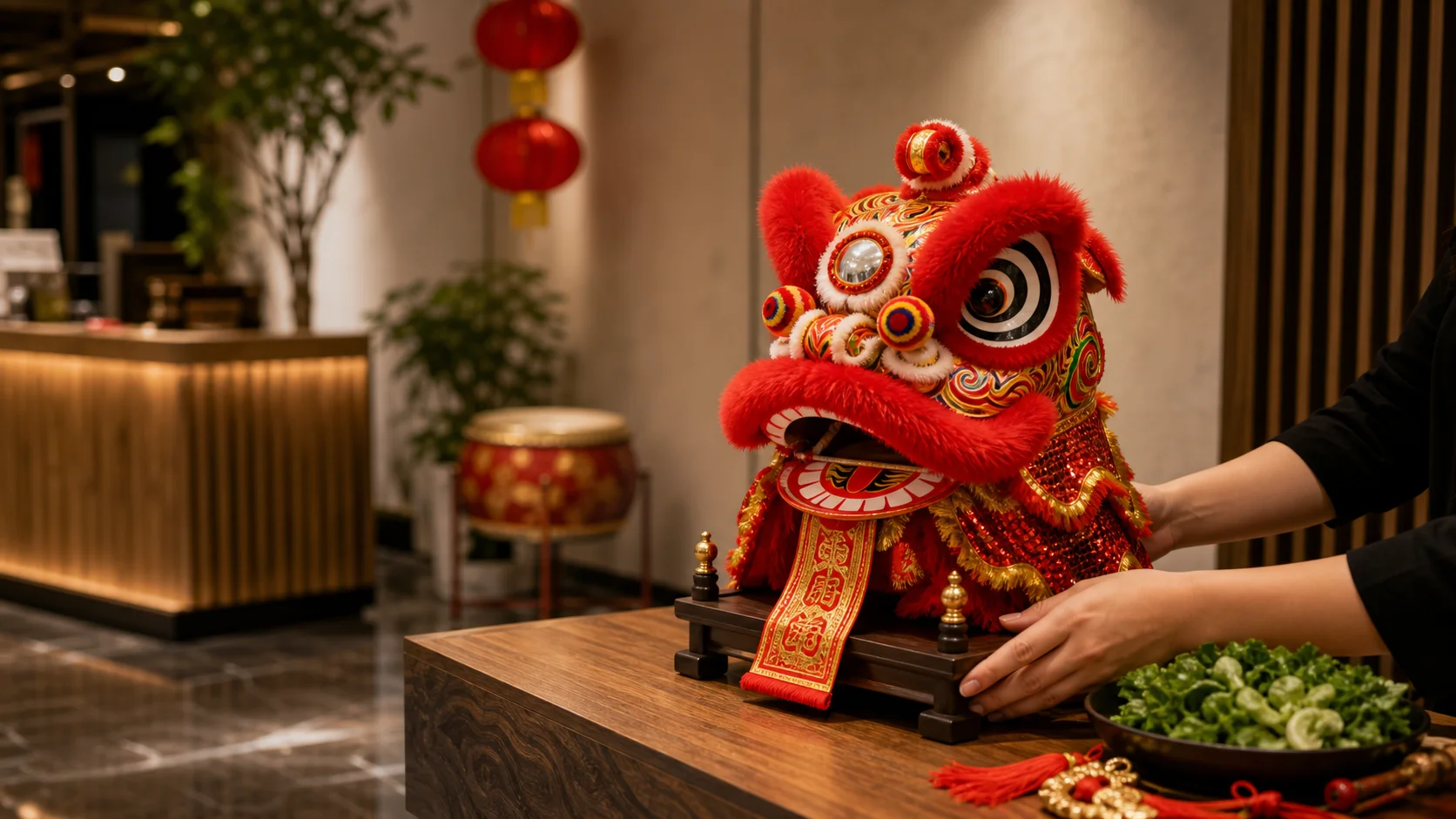
Cai Qing, often translated as “plucking the greens,” is one of the most symbolic parts of a lion dance performance. The lion approaches a bundle of greens, often lettuce, and performs a sequence before taking it.
The word for lettuce in Chinese can sound like words associated with wealth or prosperity in some dialects, which is why the greens are connected with money luck and business blessing. The lion may “eat” the greens and then scatter or present them as a sign of spreading good fortune.
For business openings, Cai Qing is especially meaningful because it visually expresses the wish for prosperity, growth, and successful new beginnings.
Lion Dance for Business Openings
Lion dance is often performed at business openings because it creates excitement while symbolizing blessing. A new shop, restaurant, office, studio, or cultural space may invite a lion dance troupe to welcome customers and mark a positive beginning.
The loud music draws attention, the lion brings a festive presence, and the symbolic actions express wishes for prosperity. Even when a business does not host a live performance, lion dance decor can carry part of that meaning as a long-term display piece.
Meaningful Business Opening Decor
A lion dance display set can bring the symbolism of celebration, prosperity, and protection into a business space even after the opening day. It works well on a reception desk, cashier counter, office shelf, tea room display, restaurant entrance, or cultural gift table.
Lion Dance at Weddings and Festivals
At weddings, lion dance can represent joy, blessing, and a lively beginning for the couple. The performance brings sound, color, and movement into the celebration, making it both symbolic and memorable.
At festivals, lion dance becomes a community performance. It helps people gather, celebrate shared heritage, and pass cultural memory from one generation to the next.
Lion Dance Decor and Good Luck Gifts
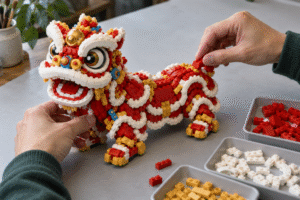
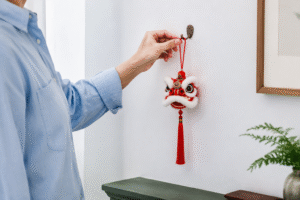
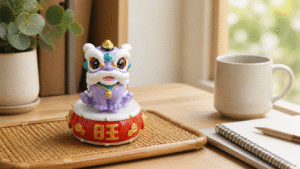
Lion dance decor is inspired by the traditional performance but designed for display. It may include lion dance figurines, miniature lion heads, red-and-gold display sets, tabletop scenes, cultural ornaments, and Lunar New Year decorations.
Unlike a full performance lion head, decorative lion dance pieces are made for homes, offices, shops, restaurants, reception spaces, shelves, and gift displays. They are especially meaningful for people who want to keep the symbolism of lion dance visible year-round.
Best Places to Display Lion Dance Decor
- Entrance table: to welcome guests and create a festive first impression.
- Reception desk: to add cultural identity to a business space.
- Restaurant counter: to connect the space with Chinese celebration traditions.
- Office shelf: to display a symbol of ambition, success, and protection.
- Gift table: for Lunar New Year, grand openings, or cultural events.
- Home display cabinet: for collectors and families who appreciate Chinese folk art.
How to Choose Lion Dance Decor
When choosing lion dance decor, consider where it will be displayed and what meaning you want it to carry. A small lion head can work as a compact shelf accent, while a full display set feels more suitable for a business opening gift or premium cultural display.
| Purpose | Best Decor Type | Suggested Placement |
|---|---|---|
| Business opening gift | Complete lion dance display set | Reception desk, office shelf, cashier counter |
| Lunar New Year display | Red-and-gold lion dance ornament | Entryway, sideboard, celebration table |
| Collector display | Detailed lion head or miniature scene | Display cabinet or cultural shelf |
| Home blessing decor | Compact lion dance figurine | Living room shelf, entryway, study room |
Recommended DFMYTH Lion Dance Display Piece
For a business opening gift, Lunar New Year display, or meaningful Chinese cultural decor, consider the Five Blessings Chinese Lion Dance Display Set.
This decorative set is inspired by the lion dance tradition and the Chinese idea of blessings. It is designed as a complete scene, making it suitable for offices, restaurants, shops, tea rooms, reception areas, living rooms, and festive cultural displays.
View the Five Blessings Chinese Lion Dance Display Set
Related Guides
- Northern vs Southern Lion Dance
- Lion Dance History
- Lion Dance in Business Openings
- Lion Dance Head Buying Guide
- Chinese Lion Dance Decor
Final Thoughts
Lion dance is more than a performance. It is a visual expression of blessing, courage, protection, prosperity, and celebration. From Lunar New Year to business openings and weddings, the lion dance turns good wishes into sound, color, and movement.
For homes and businesses, lion dance decor can keep that meaning visible beyond the performance itself. A well-chosen lion dance display piece can become a symbol of welcome, success, cultural memory, and joyful beginning.
FAQs About Lion Dance Meaning
What does lion dance symbolize?
Lion dance symbolizes good luck, protection, courage, prosperity, celebration, and the driving away of negative energy. It is often performed during Lunar New Year, business openings, weddings, and festivals.
Is lion dance Chinese?
Lion dance is strongly associated with Chinese culture and is performed in Chinese communities around the world. Different regions and communities have developed their own styles and traditions.
What is the difference between northern and southern lion dance?
Northern lion dance often looks more animal-like, playful, and acrobatic, while southern lion dance usually has a large expressive head and is strongly connected with martial movement, blessing rituals, and business openings.
Why is lion dance used for business openings?
Lion dance is used for business openings because it represents good fortune, protection, prosperity, and a successful beginning. The performance also creates attention and welcomes customers into the new space.
What is Cai Qing in lion dance?
Cai Qing, or plucking the greens, is a symbolic lion dance ritual in which the lion takes greens such as lettuce. It is associated with prosperity, money luck, and the spreading of good fortune.
What do lion dance colors mean?
Red often represents joy and good luck, while gold is associated with wealth and prosperity. Meanings can vary by region, troupe, and costume tradition.
Is lion dance good luck?
Yes. Lion dance is widely considered a good luck performance because it is connected with blessing, protection, prosperity, and the removal of negative energy.
Where should lion dance decor be displayed?
Lion dance decor can be displayed on an entryway table, reception desk, restaurant counter, office shelf, gift table, or home display cabinet. It should be placed where it feels visible, stable, and intentional.