The lion dance for Chinese New Year is one of the most beloved and recognizable traditions in Chinese culture. From bustling city streets to community celebrations around the world, the lion dance marks the arrival of the Lunar New Year with energy, color, and meaning.
More than just a performance, the lion dance is believed to bring good luck, prosperity, and protection for the year ahead.
Why Lion Dance Is Performed During Chinese New Year
In traditional belief, the start of a new year is a time when fortune can be influenced. The lion dance is performed during Chinese New Year to:
- Chase away evil spirits
- Remove bad luck from the previous year
- Welcome prosperity and happiness
The loud drums, cymbals, and dynamic movements of the lion are meant to create positive energy and ensure a strong beginning to the new year.
The History of Lion Dance in Chinese New Year
The tradition of lion dance dates back centuries, with roots in ancient Chinese folklore and rituals. While lions are not native to China, they became powerful symbolic figures representing protection and strength.
Over time, the lion dance became closely associated with Chinese New Year celebrations, evolving into a festive ritual performed at temples, villages, and important community events.
Symbolism of Lion Dance During Chinese New Year
Every element of the lion dance carries symbolic meaning:
- The lion represents courage and protection
- Movement symbolizes awakening energy
- Colors convey specific wishes such as luck, wealth, and harmony
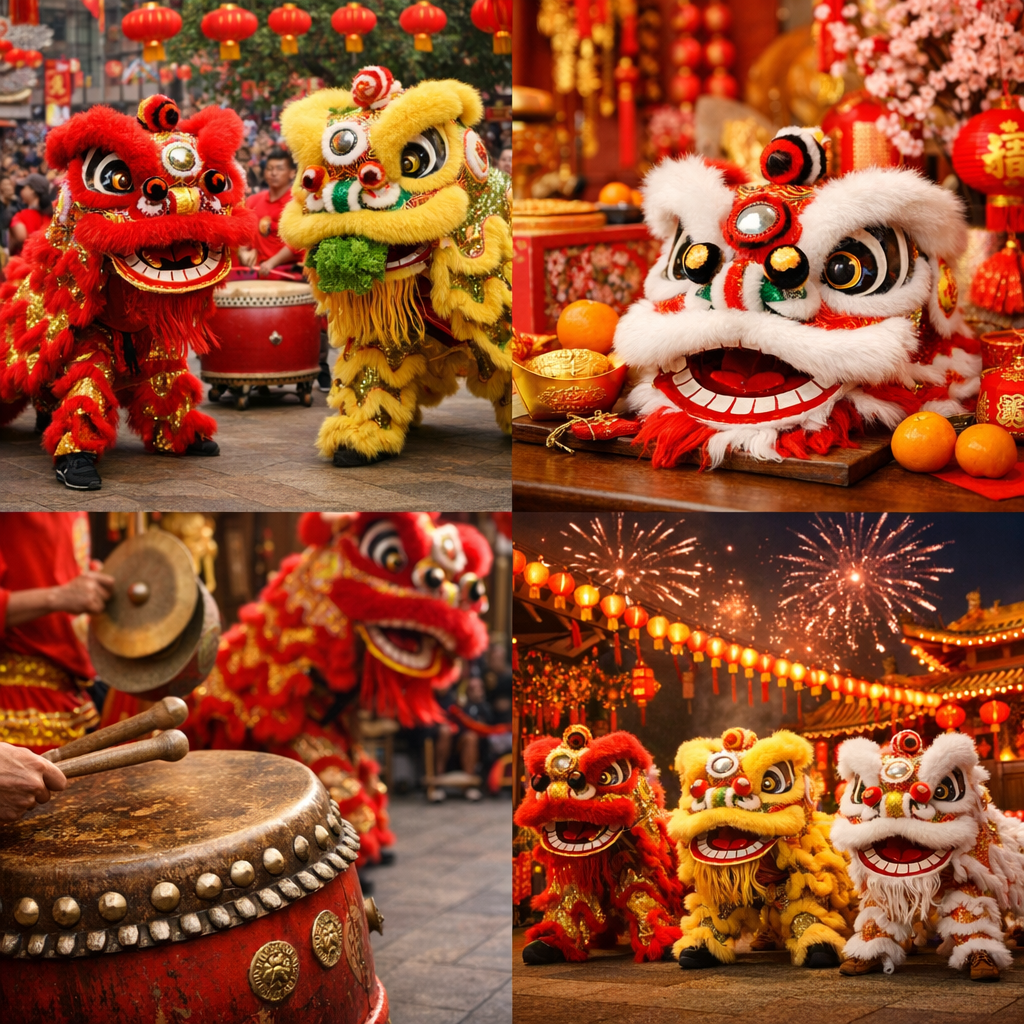
Red and gold are especially popular during Chinese New Year, as they represent happiness and prosperity. Understanding these symbols helps explain why lion dances feel so powerful and celebratory.
How Lion Dance Is Performed During Chinese New Year
A traditional lion dance is performed by two dancers inside the costume—one controlling the head, the other the body. The performance follows the rhythm of drums and percussion, mimicking the movements of a lively lion.
Common elements include playful gestures, strong stances, and expressive eye movements, all designed to bring joy and fortune to the audience.
Modern Lion Dance Traditions Today
Today, lion dance performances are not limited to China. They are an important part of Chinese New Year celebrations worldwide, appearing at:
- Cultural festivals
- Shopping centers and business openings
- Community parades
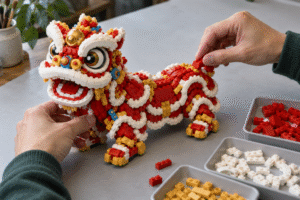
In addition to live performances, many people now use lion dance heads and decorative items to celebrate the holiday in homes, offices, and public spaces.
Using Lion Dance Decorations for Chinese New Year
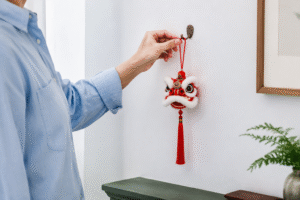
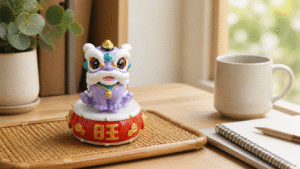
Decorative lion dance items offer a practical way to embrace tradition without organizing a performance. Lion dance decorations are often placed:
- At entrances to welcome good fortune
- In living spaces during Lunar New Year
- At businesses to symbolize prosperity and success
These decorative pieces preserve the cultural meaning of the lion dance while fitting naturally into modern celebrations.