Lion dance is one of the most recognizable traditions in Chinese culture. You see it during Chinese New Year, at business openings, and at festivals around the world. But many people don’t actually know where it comes from—or why it became so important in the first place.
The history of lion dance isn’t tied to one single moment. It developed gradually, shaped by belief, storytelling, and community life.

Interestingly, lions are not native to China. The idea of the lion entered Chinese culture through trade routes and cultural exchange, especially along the Silk Road. Over time, the lion transformed from a real animal into a symbolic guardian—a creature associated with strength, protection, and authority.
Early forms of lion dance appeared more than a thousand years ago. At that time, performances were closely connected to court entertainment and ritual ceremonies. The lion wasn’t meant to be realistic. It was meant to represent power that could drive away chaos and misfortune.
As Chinese society evolved, lion dance moved beyond the imperial court and into everyday community life. Villages and towns began using lion dance during important moments—New Year celebrations, harvest festivals, and the opening of new spaces. The performance became a way for people to mark transitions and create a sense of collective confidence.
One important part of lion dance history is its connection to martial arts. Many lion dance performers came from kung fu schools, and the movements of the lion reflect balance, discipline, and physical control. This is why lion dance feels energetic but never random. Every jump, bow, and turn has intention behind it.

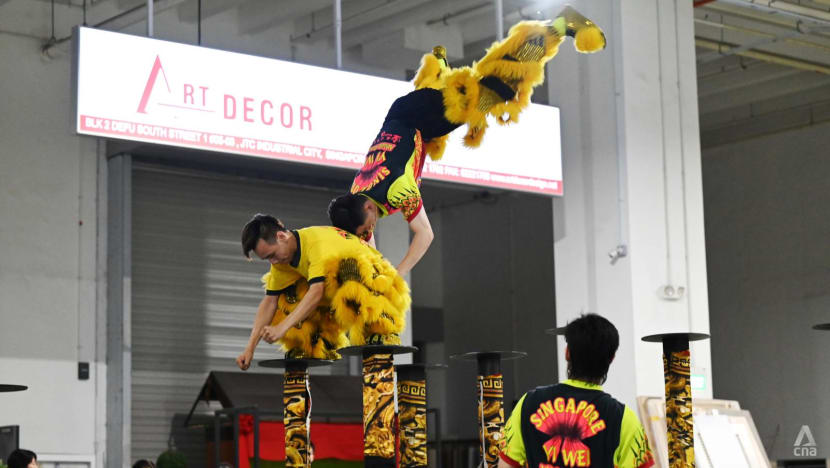
Over time, different regions developed their own styles. Southern lion dance became more expressive and symbolic, with bold colors and dramatic facial features. Northern lion dance leaned toward realism and athletic movement. These variations reflect local culture rather than strict rules.
As Chinese communities spread overseas, lion dance traveled with them. In Southeast Asia, North America, Europe, and Australia, lion dance became a way for immigrants to maintain cultural identity and pass traditions to the next generation. Even today, many lion dance teams are formed in schools and community centers far from China.
In modern culture, lion dance continues to evolve. It appears at international festivals, cultural exhibitions, and even corporate events. While some of the original beliefs may not be taken literally anymore, the core meaning remains the same: protection, celebration, and unity.
Understanding lion dance history helps explain why this tradition has lasted so long. It adapts without losing its spirit. It changes form, but not purpose.
Final Thought About Lion Dance History
Lion dance isn’t just a performance frozen in the past. It’s a living tradition—one that continues to move with the people who carry it forward.