When people watch a lion dance for the first time, the colors, movements, and noise usually leave a strong impression. But behind the performance, many wonder about one simple thing: what does lion dance actually mean?
The meaning of lion dance isn’t hidden in one symbol or rule. It’s built from belief, tradition, and how communities have used the dance for generations.
At its core, lion dance represents protection and good fortune. In traditional Chinese culture, the lion is seen as a guardian figure. It doesn’t just perform—it enters spaces, observes its surroundings, and symbolically clears away negative influence.
That’s why lion dance is often invited to important moments. New Year celebrations, business openings, weddings, and community events all share one thing in common: they mark a beginning. The lion appears to protect that beginning.
Another important part of lion dance meaning is confidence. The lion moves with intention. Sometimes playful, sometimes cautious, sometimes powerful—but never passive. This reflects a traditional belief that facing uncertainty with confidence changes outcomes.

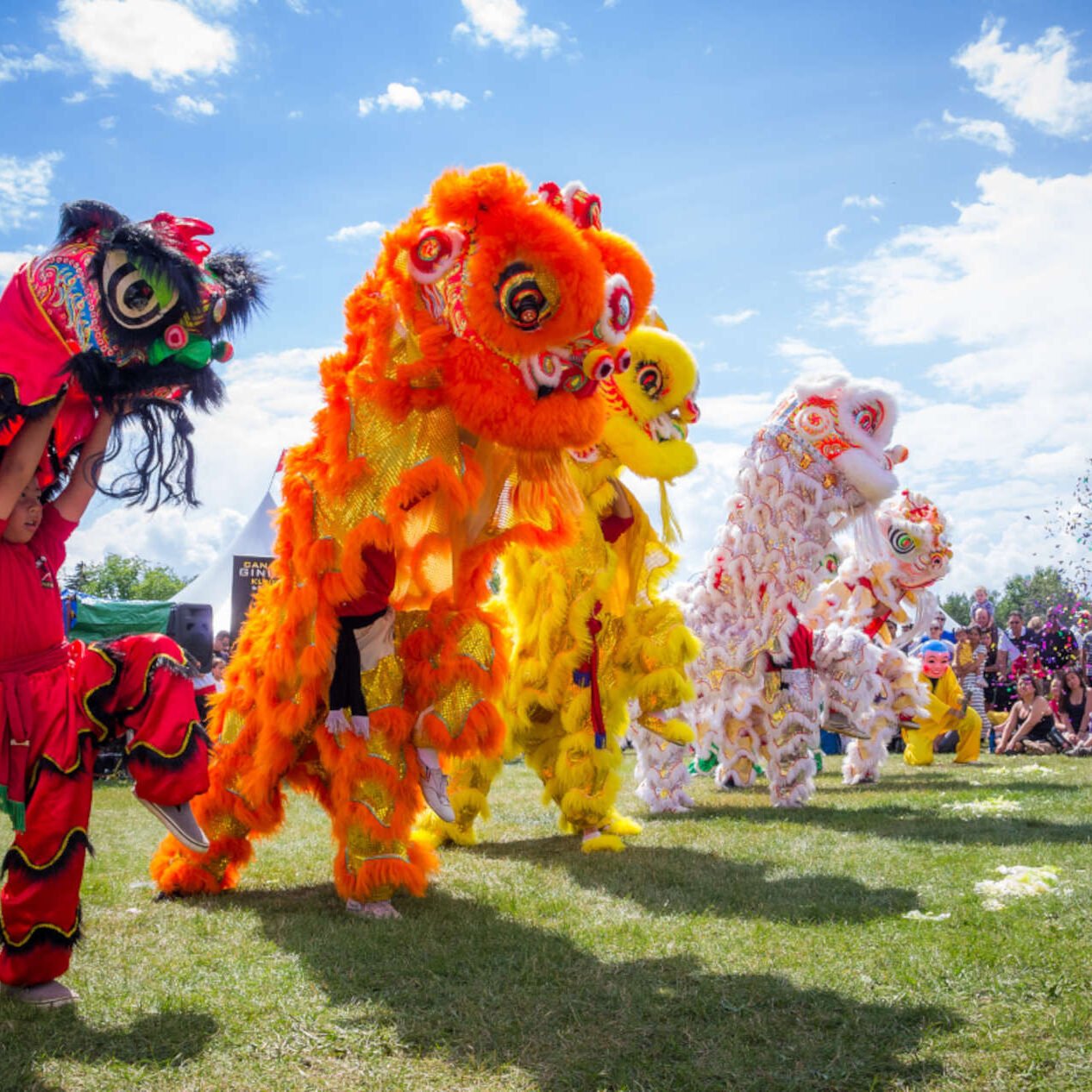
Color also plays a role, though it’s often misunderstood. Red is commonly associated with joy and celebration. Gold suggests honor and prosperity. Black can represent strength and discipline. These colors aren’t decoration alone—they communicate mood and purpose.
The movements of the lion matter just as much. Blinking eyes suggest awareness. A slow approach shows respect. Sudden jumps represent courage. Every gesture is meant to feel alive, not mechanical.
Historically, lion dance also carried a strong community meaning. It was rarely performed for individuals. It was done for villages, neighborhoods, and groups. The dance reminded people that protection and luck weren’t just personal—they were shared.
As lion dance spread around the world, its meaning expanded. Today, it often represents cultural identity. For many overseas Chinese communities, lion dance is a way to stay connected to heritage while sharing it with others.
Modern audiences may not believe in the old symbolism literally, but the emotional impact remains. When a lion dance begins, people pay attention. The space feels different. That shift is part of the meaning too.
So what is the meaning of lion dance?
It’s about protection without aggression.
Celebration without excess.
Strength expressed through rhythm and control.
Final Thought for Lion Dance Meaning
Lion dance doesn’t tell a story with words.
It tells it through movement, sound, and presence.
And that’s why its meaning still resonates today.