Introduction: Speed Versus Meaning
Modern life is defined by speed. Products are mass-produced, trends shift rapidly, and convenience often outweighs intention. While this efficiency offers comfort, it also creates a sense of detachment from the objects that surround us.
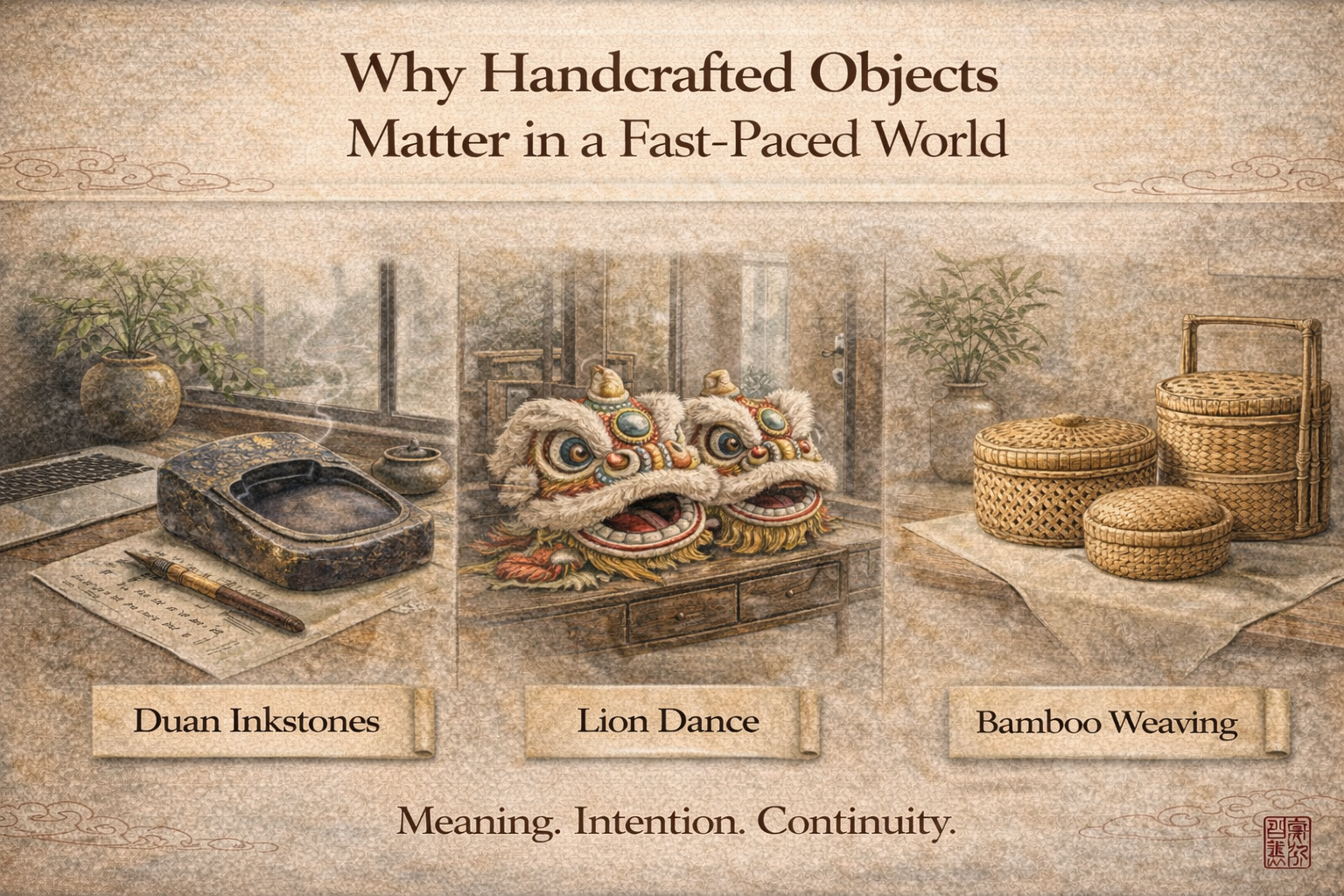
Against this backdrop, handcrafted objects continue to hold quiet significance. Their value lies not in efficiency, but in presence, intention, and continuity—qualities that feel increasingly rare in a fast-paced world.
Handcrafted Objects Carry Human Intention
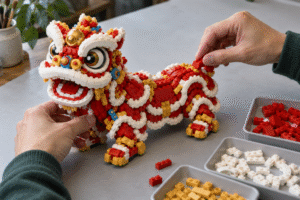
Unlike industrial products, handcrafted objects are shaped through deliberate human action. Each mark, variation, and imperfection reflects time spent, decisions made, and material respected.
This human presence gives handcrafted objects a sense of authenticity. They remind us that not everything meaningful must be optimized for speed or uniformity.
Craft as a Counterbalance to Acceleration
In fast-moving environments, constant stimulation often leads to distraction and fatigue. Handcrafted objects introduce stillness and grounding.
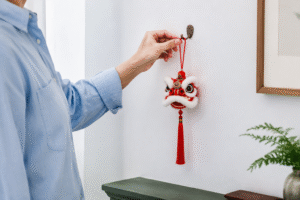
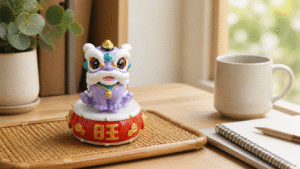
Whether placed in a home, study, or workspace, they act as visual and emotional anchors—objects that encourage pause rather than urgency. Their presence subtly shifts attention from consumption to awareness.
Cultural Memory Embedded in Craft
Many traditional crafts are carriers of cultural memory. Techniques, materials, and forms are passed down across generations, preserving values that extend beyond aesthetics.
When such objects enter modern spaces, they create continuity between past and present. They serve as reminders that progress does not require disconnection from heritage.
The Emotional Value of the Handmade
Handcrafted objects often invite care. Their materials age naturally, and their surfaces respond to use rather than resist it.
This interaction fosters emotional attachment. Over time, handmade items become part of daily rhythm, accumulating meaning through familiarity rather than novelty.
Choosing Meaning Over Abundance
In contrast to disposable consumption, handcrafted objects encourage selective ownership. Fewer items are chosen, but each carries purpose.
This mindset aligns with contemporary movements toward mindful living, sustainability, and intentional design—values increasingly embraced in modern lifestyles.
Conclusion: Why Craft Endures?
Handcrafted objects endure because they answer needs that speed cannot satisfy. They offer grounding in a world of acceleration, meaning in an environment of excess, and continuity amid constant change.
In choosing handmade over mass-produced, people are not rejecting modern life—they are rebalancing it.