Introduction: Understanding Energy in Traditional Culture
In traditional Chinese thought, living spaces are not viewed as neutral environments. Every object, material, and arrangement is believed to influence the flow of energy within a home.
Rather than relying on abstract theory alone, Chinese culture expresses these ideas through crafted objects—items shaped by hand, material, and intention. Traditional crafts play an important role in shaping atmosphere, balance, and emotional comfort within everyday spaces.
The Relationship Between Craft and Energy
Traditional Chinese crafts are guided by respect for natural materials and proportion. Stone, bamboo, wood, and fabric are chosen not only for durability, but for how they interact with human presence.
Objects created through slow, deliberate craftsmanship are believed to introduce stable and calming energy, making them suitable for living spaces where balance is valued.
Inkstones and the Energy of Focus
Inkstones are closely associated with concentration and discipline. Traditionally placed in studies or work areas, they represent stillness, clarity, and mental focus.
In modern spaces, an inkstone serves as a grounding element. Its solid form and quiet presence encourage sustained attention and thoughtful work, contributing to an environment where ideas develop steadily rather than chaotically.
Lion Dance Artifacts and Protective Energy
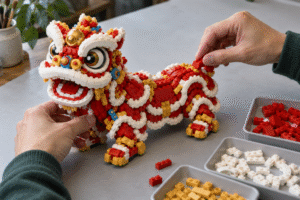
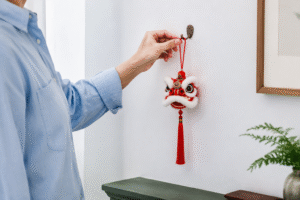
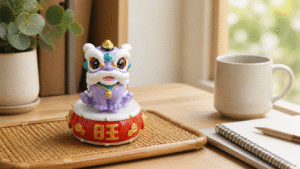
Lion dance artifacts are traditionally connected with vitality and protection. Their bold forms and expressive features are believed to activate energy, making them suitable for entryways or transitional spaces.
When used thoughtfully in modern interiors, these artifacts function as cultural symbols that mark boundaries and transitions, reinforcing a sense of security and positive momentum within the home.
Bamboo Weaving and the Flow of Balance
Bamboo weaving reflects balance through flexibility and order. The woven structure allows air and light to pass through, symbolizing openness rather than restriction.
In traditional thinking, well-organized spaces support emotional calm. Bamboo baskets and woven containers contribute to this balance by maintaining order while preserving a natural, unforced aesthetic.
Creating Harmony Through Intentional Placement
The effectiveness of traditional crafts lies not in quantity, but in placement and intention. Each object plays a distinct role:
- Inkstones stabilize focus
- Lion dance artifacts energize and protect
- Bamboo weaving maintains balance and order
When combined thoughtfully, these elements support an environment that feels grounded, lively, and harmonious at the same time.
Cultural Continuity in Modern Living
The continued relevance of traditional crafts reflects a deeper desire for spaces that feel meaningful rather than purely functional. By integrating culturally rooted objects, modern living spaces gain layers of identity and continuity.
Traditional Chinese crafts shape not only how a space looks, but how it feels—supporting balance between movement and stillness, structure and flexibility.
Conclusion
Traditional Chinese crafts offer a material language for expressing energy and balance within living spaces. Through stone, movement, and woven form, they translate cultural understanding into tangible presence.
In modern homes, these crafts remain powerful not because of nostalgia, but because they address timeless needs for clarity, protection, and harmony.