If you’ve ever stood close to a lion dance performance, you probably remember one thing clearly:
it’s loud—really loud.
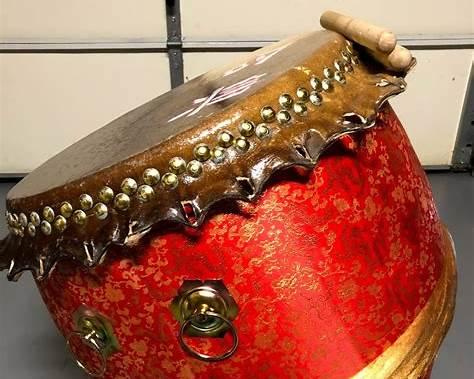
The drums hit your chest, the cymbals crash without warning, and the gongs seem to echo forever.
So it’s natural to ask: why is lion dance so loud?
The answer isn’t just “for fun” or “for show.”
It goes much deeper than that.
When lion dance first appeared in Chinese communities, it wasn’t performed on a stage with speakers or microphones. It happened in open streets, village squares, and temple courtyards. Sound had to travel far, cut through noise, and pull people’s attention instantly.
Loud drums weren’t optional—they were necessary.
But volume alone isn’t the real reason.
In traditional belief, sound has power. Loud, sharp, rhythmic noise was believed to break negative energy and scare away bad spirits. Silence, on the other hand, was associated with uncertainty and vulnerability. That’s why a quiet lion dance would feel… wrong.
The noise protects the lion.
The drumbeat also controls the lion’s “heartbeat.” Every movement—blinking eyes, opening the mouth, jumping, bowing—is timed to sound. Without loud, clear rhythm, the lion loses its spirit and becomes just a costume.
And there’s something else people don’t often notice.
Lion dance is not a solo act. It’s teamwork. The sound forces everyone—the dancers, musicians, and even the crowd—into the same rhythm. When the performance is loud, people feel it together. That shared energy is part of the tradition.
That’s also why lion dance is especially loud during Chinese New Year or business openings. The noise announces presence. It says: something important is happening here. It’s celebration, protection, and confidence all at once.
Some people ask if the lion is scared of the noise.
Actually, in cultural terms, the opposite is true.
The lion needs the sound. Without it, the lion becomes weak, confused, and lifeless. Loud music gives the lion courage and direction.
In modern performances, the volume hasn’t disappeared—even indoors—because it’s not just about tradition. It’s about emotion. Loud lion dance makes people feel excitement, respect, and awe. Quiet lion dance would lose its impact.
So why is lion dance so loud?
Because it’s meant to be felt, not just watched.
Because sound carries meaning.
Because the lion doesn’t dance in silence.
Final Thought
The next time you hear a lion dance from far away before you see it, remember—that’s exactly how it’s supposed to be. The sound arrives first, clearing the way.